
The Information War: Why Pet-Food Brands Must Adopt AI Agents Now
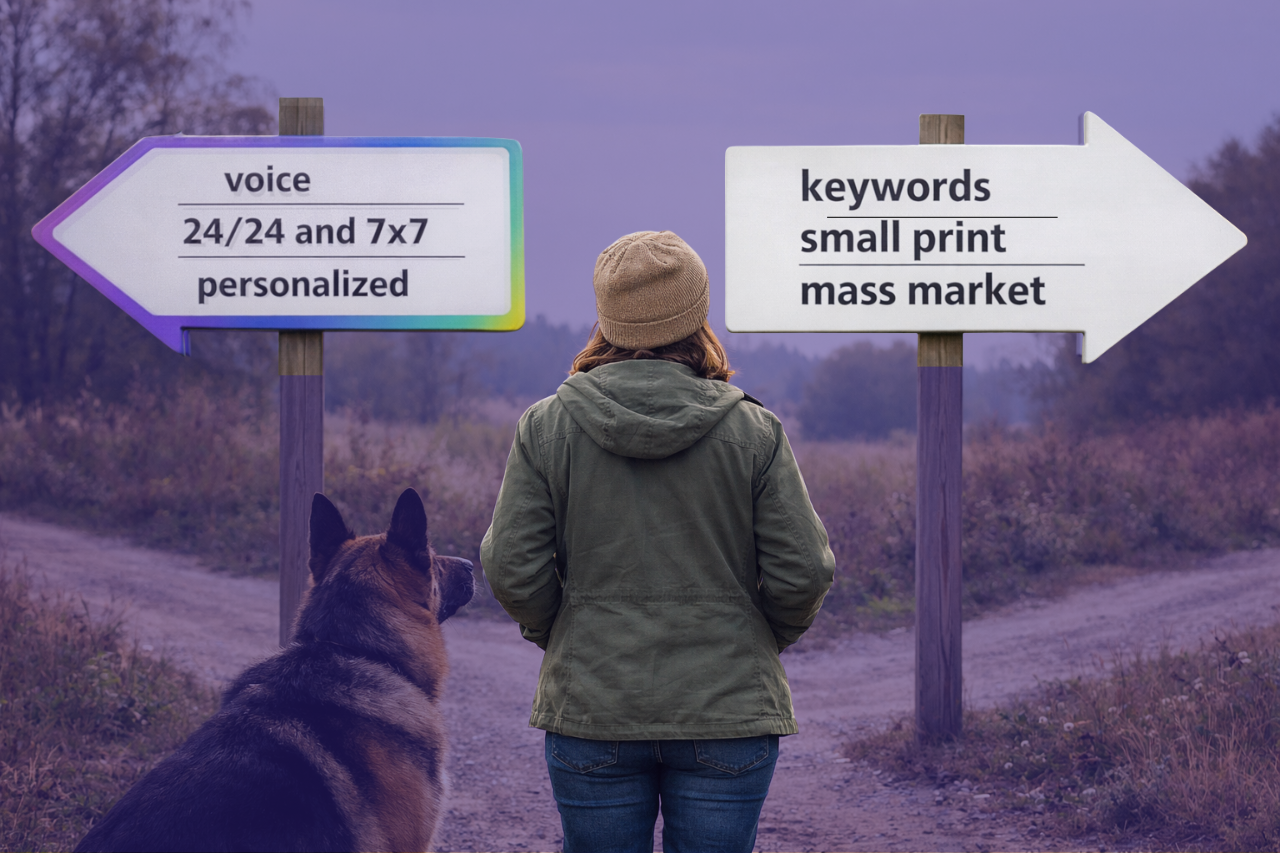
The "Pet Parent" is anxious and looking for answers. If your brand doesn't provide them, ChatGPT or Yuka will. Discover why adopting a Private AI Agent is a matter of brand safety.
The pet-food market is projected to reach $185 billion by 2030. But this growth comes with a new challenge: the "Information War." Modern "Pet Parents" are highly anxious. 75% recognize nutrition as the primary driver of health, yet they are confused by complex terms like "microbiome" or "chelated minerals".
The Threat: Losing the Narrative
If a consumer scans a product and the brand does not provide an immediate, clear answer, they will turn to third parties:
- Generalist AI: Platforms like ChatGPT or Google Gemini are becoming the new search engines. However, they rely on unverified web sources and can "hallucinate" facts—potentially labeling safe ingredients as toxic.
- Scanning Apps: Apps like Yuka are entering the pet space, using algorithms that may not reflect the nuances of veterinary formulation.
The Risk of Inaction
Leaving the answers to an open AI model is a massive risk. Brands have already seen incidents, such as the DPD chatbot that criticized its own company. In pet food, misinformation isn't just a PR problem; it's a safety issue.
The Solution: Private AI
The urgency for brands is to deploy Private AI Agents using RAG (Retrieval-Augmented Generation) architecture.
- Control: The AI is "fenced" to answer only using brand-approved documents (Vet manuals, PIM data).
- Safety: It includes strict "Medical Handoff" protocols. If a user asks about a seizure or infection, the AI immediately redirects to a vet, protecting the brand from liability.
- Trust: By owning the conversation, the brand becomes the trusted partner in the pet's care.

Discover how Private AI Agents are driving conversion and retention for forward-thinking brands.

.png)


Take the
next step