
A GEO Strategy to Counter AI Biases
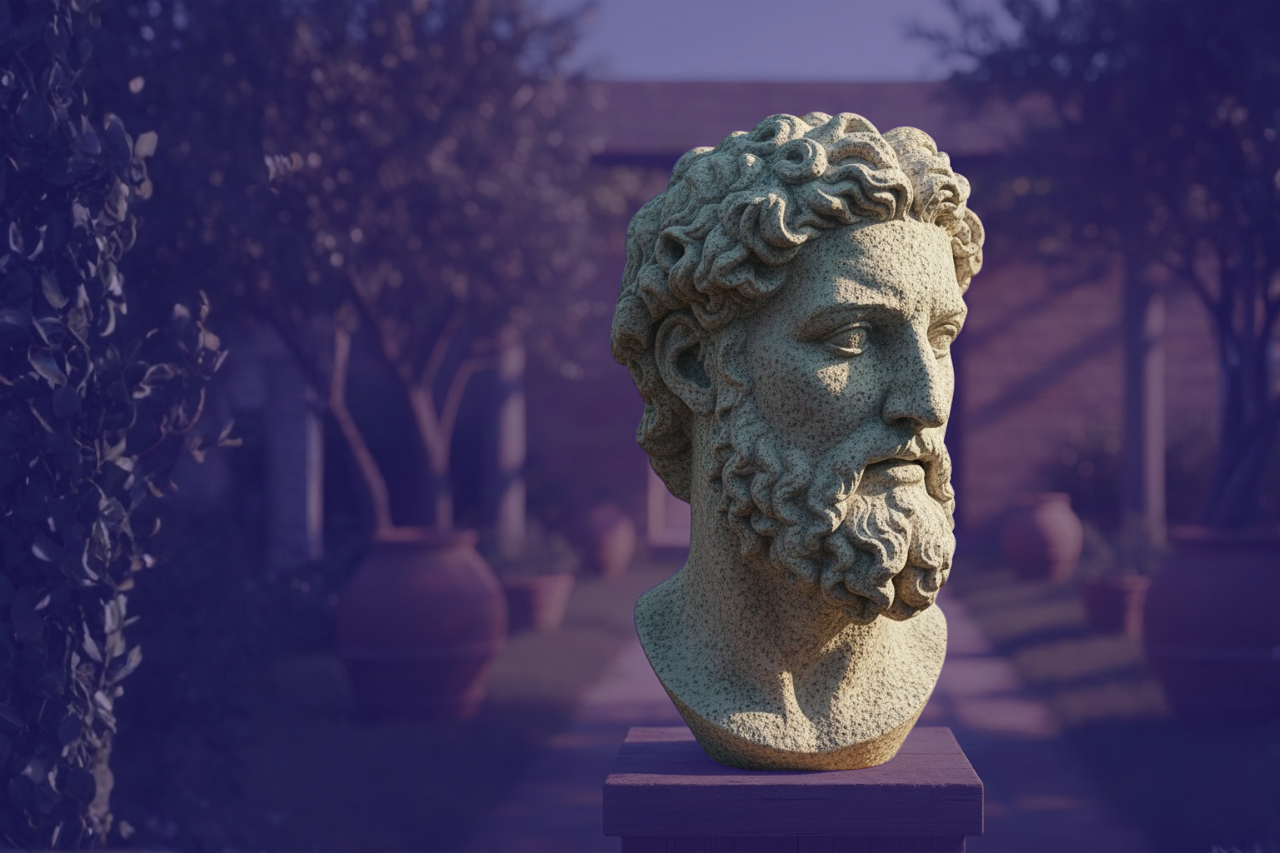
In the era of generative AI, cultural institutions face an unprecedented challenge: boosting their online visibility while ensuring the reliability and inclusivity of their content. To support institutions in navigating this transformation, Ask Mona has published its GEO white paper, a comprehensive resource covering the key challenges, best practices, and strategies to make the most of GEO.
The GEO White Paper: Your Guide to Mastering AI-Driven Visibility
The Ask Mona GEO white paper helps cultural institutions understand all aspects of Generative Engine Optimization (GEO), from enhancing online visibility to safeguarding the accuracy and quality of information.
One important area it addresses is AI biases and hallucinations. The white paper explains how certain artworks or heritage elements can be underrepresented and how factual errors may spread if not properly managed. But GEO goes far beyond these risks: the white paper also offers practical methods to structure and enrich content, implement institutional safeguards, and ensure AI becomes a trusted tool for cultural mediation.
AI Biases and Hallucinations: Risks You Need to Manage
Generative AIs learn from existing datasets, which often reflect historical and institutional imbalances. Highly visible institutions and well-documented artists tend to dominate outputs, while minority heritage or lesser-known creators may be overlooked.
On top of that, AI can produce hallucinations—convincing but incorrect information. In a cultural context, this can result in:
- misattributed works,
- incorrect exhibition dates or locations,
- oversimplified historical contexts.
The GEO white paper explores these phenomena in detail and provides strategies to mitigate their impact, ensuring AI supports reliable knowledge dissemination rather than spreading errors.
Structuring Content and Anticipating Risks
A key focus of the white paper is creating accurate and GEO-optimized content. Institutions learn how to:
- produce precise, well-sourced, and regularly updated information,
- structure content so generative engines interpret it correctly,
- enrich underrepresented topics to rebalance heritage representation.
Following these best practices helps institutions strengthen credibility while enhancing their digital visibility strategically and ethically.
Safeguards and Human Oversight: Building Trust
The white paper also emphasizes the importance of human supervision and transparency. Audiences need to know whether information comes from AI or from a verified expert. For instance, a museum chatbot or virtual assistant can indicate that its responses are based on content validated by curators or researchers.
This transparency maintains public trust and positions AI as a complementary tool that supports, rather than replaces, human expertise in cultural mediation.
GEO: A Strategic and Ethical Opportunity
Through its white paper, Ask Mona demonstrates that GEO is more than a technical lever. By structuring content, anticipating biases, and implementing safeguards, cultural institutions can:
- protect their mission of knowledge transmission,
- reinforce credibility and cultural authority,
- achieve higher-quality and more inclusive online visibility.

Our GEO White Paper


Take the
next step