
Generative AI vs. Chatbots: Redefining Customer Experience in the Pet-Food Industry
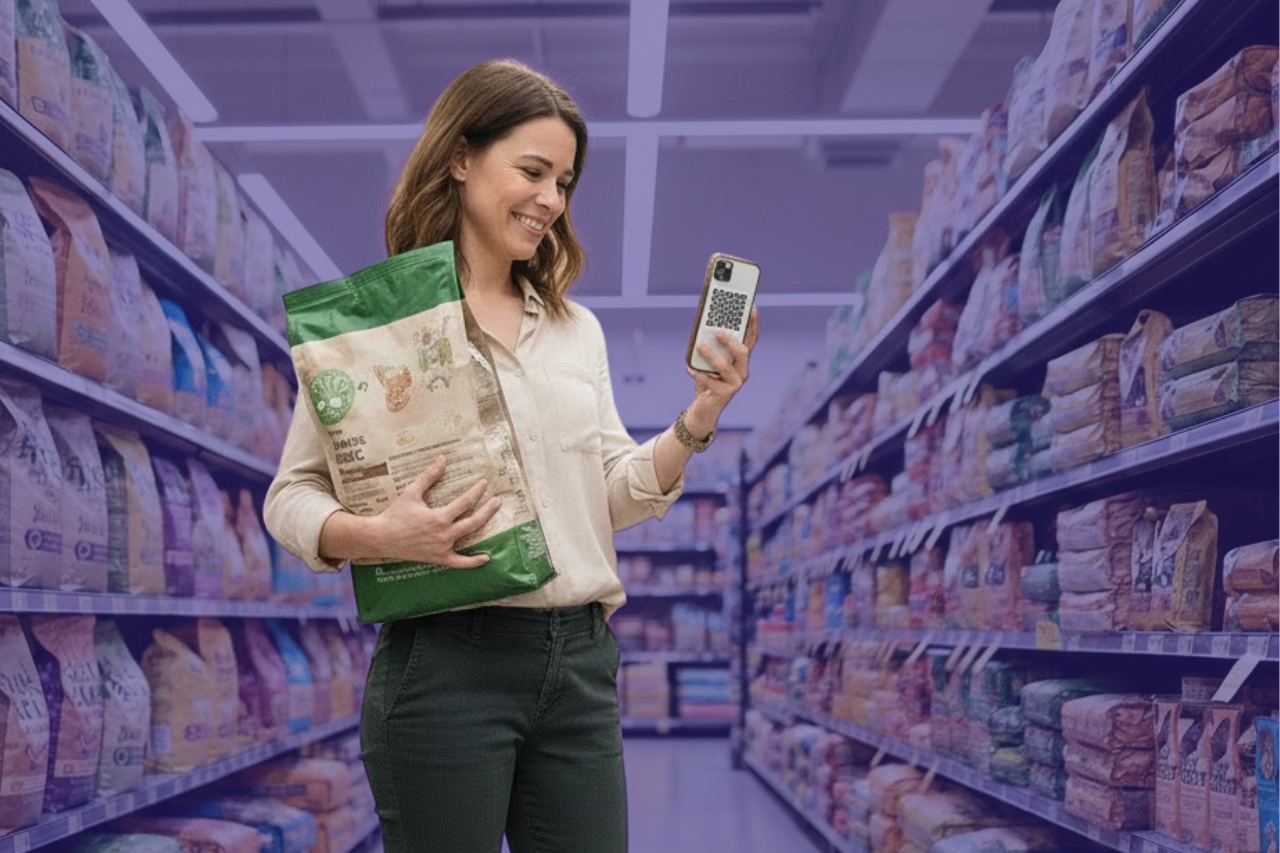
The pet-food sector has long experimented with conversational agents to guide pet parents. However, the user experience has frequently been a source of friction: over half of consumers report negative experiences with traditional chatbots.
The reason for this pushback? Algorithmic rigidity. At a time when Generative AI is setting new interaction standards, understanding the gap between a "decision tree" and "contextual intelligence" has become a strategic imperative for global brands.
Beyond the Script: The Shift to Agile Systems
"Legacy" chatbots rely on rigid decision-tree structures. If a user deviates from the pre-defined script. For instance, asking a shipping question while the bot is locked in an "ingredients" flow, the system fails.
The Generative AI (GenAI) revolution is a paradigm shift for B2B customer support:
- Natural Language Understanding (NLU): Unlike legacy tools, Large Language Models (LLMs) grasp intent, context, and subtle nuances.
- Semantic Flexibility: GenAI effortlessly handles typos, slang, and complex, multi-part queries.
- Deep Interaction Value: A user can now ask: "Is this kibble suitable for a senior dog who hates chicken but needs a low-fat diet?" and receive a synthesized, accurate recommendation.
The impact is measurable: 67% of users feel "understood" by GenAI, compared to a staggering 25% with older systems.
Brand Safety & "Private AI": The Power of RAG Architecture
For a pet-food brand, data accuracy isn't just a feature: it’s a matter of legal liability and animal safety. Public AI models like ChatGPT are prone to "hallucinations," potentially inventing dangerous advice (e.g., claiming grapes are safe for dogs).
Ask Mona addresses this challenge through RAG (Retrieval-Augmented Generation) architecture. This "fenced-in" AI approach ensures:
- Certified Sources Only: The agent generates responses strictly from your official documents: product sheets, veterinary manuals, and PIM databases.
- Zero Invention: If the answer isn't in your knowledge base, the AI is programmed to admit it doesn't know rather than hallucinate a response.
- Reputation Security: This structure prevents "rogue bot" incidents where an agent might criticize the company or fabricate refund policies.
Digital Empathy: Building Trust with "Pet Parents"
In a high-emotion category like pet care, the "robotic" coldness of traditional bots is a major barrier. Pet parents are protective; they aren't just looking for data, they're looking for reassurance.
Generative AI can be tuned to a specific Brand Voice: empathetic, warm, and professional. It mimics the "bedside manner" of a veterinary assistant, turning a technical inquiry into a trust-building conversation. This feeling of being understood is the ultimate precursor to brand loyalty and increased Lifetime Value (LTV).
Conclusion: From Frustrating Chatbots to Nutritional Concierges
Transitioning from legacy tech to GenAI is more than a technical patch; it is a move toward an Augmented Customer Service model. By adopting a secure "Private AI," pet-food brands can deploy a multilingual expert, capable of handling 20+ languages, while reducing support costs by up to 30%.
The connected packaging of the future is the gateway to a seamless, human-centric, and foolproof experience.

Renew your UX with generative AI




Take the
next step